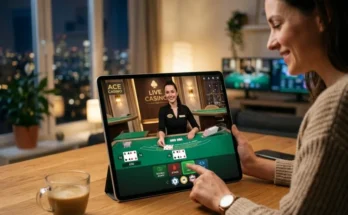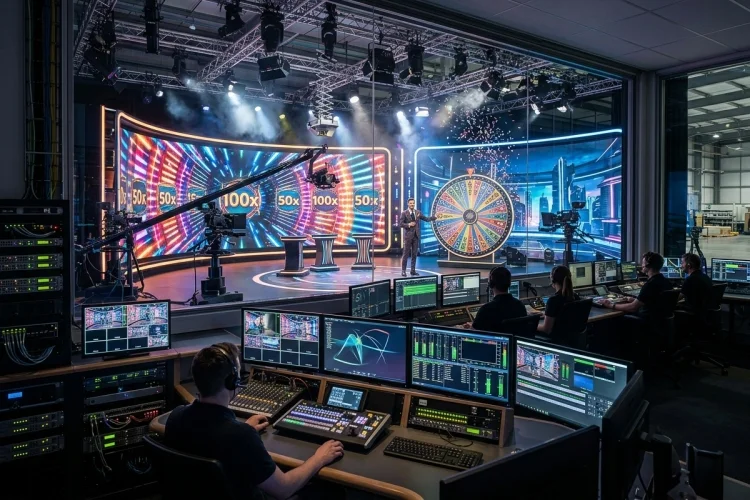
A modern live game show can look effortless on screen. A host spins a wheel, digital multipliers appear, bets close automatically, and the result reaches players’ devices almost immediately.
Behind that presentation is a combination of studio production, streaming systems, physical equipment, game software, and account technology.
This technical setup is a major reason the Live Casino Game format has moved beyond basic roulette and blackjack.
Suppliers can now build colorful worlds around simple gambling mechanics while keeping the presenter and physical action at the center. The result resembles interactive television but works through a casino website or mobile app.
Live Streaming Connects Players to the Studio
Cameras capture the presenter, equipment, and important gaming areas from several angles. The video is encoded and delivered online while the betting interface operates beside or over the stream.
Synchronization is important. Players need to see when betting opens, when it closes, and how the physical result connects with the digital account settlement.
Connection quality can still affect viewing. A weak signal may cause delays, frozen video, or lower image quality, especially during graphically detailed bonus rounds.
Physical Equipment Works With Software
Many shows use a real wheel, cards, dice, or ball-drawing equipment. Sensors and game-control systems record events, while software displays bets, statistics, multipliers, and results.
This combination provides visible physical action without removing the convenience of online account management. It also lets operators present betting options and rules through an organized interface.
The physical equipment does not mean every feature happens in the studio. Animated multipliers and virtual bonus boards may be generated digitally after the main result is recorded.
Augmented Reality Creates Bigger Worlds
A physical studio has limited space, but digital graphics can make it appear much larger. Augmented reality can place animated characters, virtual boards, or themed environments around a real presenter.
Playtech’s Adventures Beyond Wonderland uses a rotating studio, costumed presenters, and animated characters within an augmented-reality setting. Evolution’s Lightning Storm also combines physical studio action with elaborate digital bonus sequences.
This allows developers to change scenes without constructing an entirely new physical set for every bonus feature.
Mobile Design Improves Accessibility
Live-show interfaces must fit video, betting controls, balances, chat, and game information into a phone display. Designers often use collapsible menus, portrait layouts, and large touch controls to keep the main actions visible.
This makes the format accessible without a desktop setup. The trade-off is that rules or statistics may require extra taps.
A phone also makes it easier to begin a session impulsively. Players should use account-level spending and time controls rather than relying only on the device being inconvenient to access.
Large Studio Networks Support Frequent Play
A live network can use multiple tables, rotating presenters, and studios in different regions. Evolution states that its live portfolio operates from more than 2,000 table and game-show environments in 15 languages.
This scale allows operators to offer frequent rounds and localized presentation. It also supports additional versions of popular titles when a single stream cannot serve every language or regulated market.
Studios can rotate staff so games remain available across different time zones. Availability still depends on operator agreements and local gambling regulations.
New Technology Supports Product Variety
Suppliers can reuse proven streaming systems while changing the theme, host style, bonus design, or central game mechanic. Current categories include wheel shows, live bingo, dice games, branded board-game adaptations, and hybrid slot formats.
Evolution launched Ice Fishing in 2025 with three bonus games. Pragmatic Play introduced Dice City with dice-based mechanics and interactive bonus rounds.
These releases demonstrate how the category has expanded beyond one type of spinning-wheel show.
Regulation Still Matters
Advanced graphics do not prove that a game is fair. Players should check whether the operator and software supplier are approved for their jurisdiction.
The UK Gambling Commission’s live-studio standard requires fair and independently auditable operations, trained dealers, supervision, secure equipment, surveillance, and game logs.
Technology should make the experience clear and reliable, not hide how outcomes, bets, and payments work.
Streaming, sensors, physical equipment, mobile interfaces, and augmented reality have turned live studios into interactive entertainment spaces.
These tools allow suppliers to create new themes and bonus sequences while keeping a real presenter visible throughout each round.
Technology does not change the uncertainty of gambling. Before joining a Live Casino Game, check the licence, read the rules, review the payouts, and test how the stream performs on your device.
Set firm time and spending limits, treat every stake as entertainment expenditure, and stop when the experience no longer feels affordable or controlled.