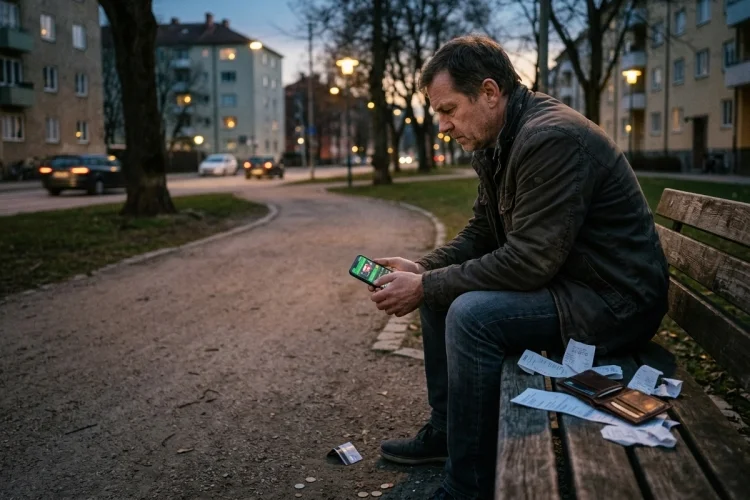
Gambling can begin as harmless entertainment. A small sports bet, a few casino spins, or a friendly poker game may feel like an ordinary way to add excitement to the day. The situation changes when gambling starts controlling someone’s money, emotions, decisions, and daily routine.
Problem Gambling does not always look dramatic at first. The early signs may be subtle, such as checking betting apps constantly, spending slightly more than planned, or feeling irritated after trying to stop.
According to the World Health Organization, gambling-related harm can affect finances, mental health, relationships, employment, and overall well-being. Recognizing the warning signs early can make recovery easier and prevent the situation from becoming more serious.
1. Gambling Occupies Your Thoughts
One of the earliest signs is spending a large amount of time thinking about gambling. You may plan future bets, replay previous losses, study odds constantly, or struggle to focus on conversations and work.
GamCare identifies preoccupation as a common sign of gambling harm. When betting begins distracting you from family time, responsibilities, or hobbies, it may no longer be casual entertainment.
Entertainment Starts Feeling Like a Priority
A healthy activity fits around your life. An unhealthy pattern causes the rest of your life to fit around gambling.
You might arrange your schedule around sporting events, casino promotions, or specific games. Missing a betting opportunity may even create anxiety or frustration.
2. You Keep Chasing Losses
Chasing losses means continuing to gamble because you believe another bet will recover the money already lost. Instead of accepting the loss, you increase the amount or take greater risks.
This creates a dangerous cycle. Every new loss produces more pressure to continue, even though each bet is independent and previous results do not improve the odds of winning the next one.
The Problem Gambling Severity Index includes chasing losses as an important indicator of gambling-related risk.
3. Your Spending Keeps Increasing
Another warning sign is regularly gambling more than intended. You may begin with a fixed budget but repeatedly add funds after reaching the limit.
Over time, everyday money may be redirected toward betting. Rent, food, savings, transportation, or household bills can become secondary to the urge to continue playing.
Borrowing money, using credit cards, selling belongings, or asking friends for emergency loans may indicate that the behavior is causing serious financial harm. The NHS notes that unhealthy gambling can damage finances alongside physical health, mental well-being, and relationships.
4. You Hide or Lie About Gambling
Secrecy often appears when someone knows that their behavior may concern others. They might minimize losses, delete transaction messages, hide betting apps, or give false explanations for missing money.
The lying may not begin with bad intentions. Shame and fear can make it difficult to admit how much time or money has been spent.
However, secrecy usually allows the pattern to continue. Honest conversations are often an important first step toward taking back control.
5. Your Mood Depends on Gambling Results
Frequent mood swings can be another sign. A win may produce intense excitement, while a loss leads to anger, anxiety, guilt, or hopelessness.
Some people become restless or irritable when they attempt to reduce their gambling. Others use betting as an escape from loneliness, stress, sadness, or boredom.
GamCare reports that gambling harm may be connected with anxiety, depression, stress, isolation, guilt, and disrupted sleep or eating patterns.
6. Work and Relationships Begin to Suffer
Problematic behavior rarely remains limited to the casino or betting app. It may lead to missed deadlines, reduced concentration, frequent lateness, or absence from work.
Relationships can also become strained. Arguments about money, broken promises, secrecy, and emotional withdrawal may reduce trust between partners, relatives, and friends.
The National Council on Problem Gambling defines the issue as gambling behavior that damages a person or family and disrupts everyday life or employment.
7. You Have Tried and Failed to Stop
Many people promise themselves they will stop after one final bet. They may delete an app, avoid gambling briefly, and then return when they feel stressed or see an advertisement.
Repeated unsuccessful attempts to cut down deserve attention. They suggest that willpower alone may not be enough and that additional support could be useful.
A self-assessment tool can help identify harmful patterns, although it is not a substitute for professional evaluation.
Problem Gambling often develops gradually. Thinking constantly about bets, chasing losses, spending beyond your budget, hiding activity, experiencing mood changes, damaging relationships, and failing to stop are all important warning signs.
You do not need to wait for a major financial or personal crisis before seeking help. Speak honestly with someone you trust, contact a healthcare professional, or use a recognized gambling-support service.
Recovery is possible, and early action can protect your finances, health, and relationships. Take the first step today by reviewing your recent gambling behavior and setting firm barriers between betting and essential money.

