At first glance, all online slot games can look fairly similar. They have reels, symbols, betting controls, and a spin button. Once you start exploring their information screens, however, major differences become clear.
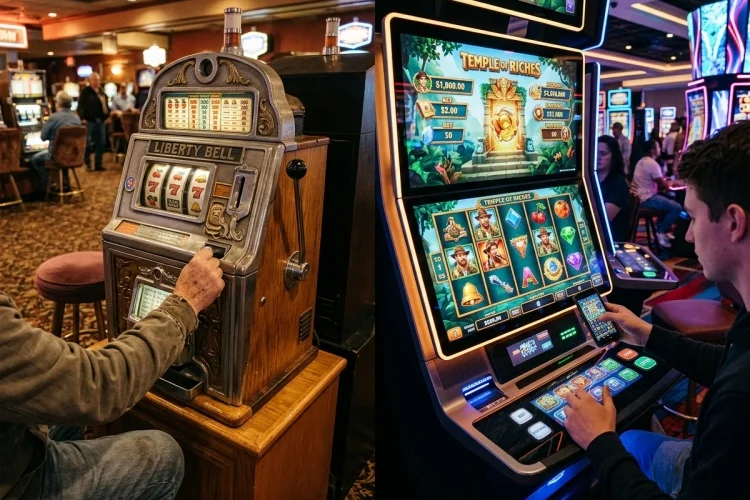
Comparing Classic Slots and Video Slots is a little like comparing an old arcade game with a modern mobile adventure. The basic activity is recognizable, but the graphics, features, sound, and number of possible outcomes can be much more detailed in the newer format.
This article looks beyond appearance. It explains how the two categories differ in reel structure, symbols, mobile presentation, bonus mechanics, and learning difficulty, helping beginners choose a suitable style without relying on myths about guaranteed wins.
The Traditional Three-Reel Format
The classic format is strongly connected to early mechanical slot machines. Its online versions typically preserve three reels, one to five paylines, and traditional casino imagery.
Common symbols include fruits, bells, bars, horseshoes, and red sevens. The visual design is usually clean, with the reels occupying most of the screen.
The rules are also easy to explain. A player places a wager, spins, and receives a prize when the displayed symbols form a valid combination listed in the paytable.
The Modern Video-Game Format
Video titles replace the mechanical appearance with digital animation. Five or more reels are common, and the game may include multiple rows, changing layouts, or hundreds of possible winning combinations.
Developers can build an entire fictional world around the reels. The background, symbols, music, and bonus sequences might follow a story or recognizable theme.
This does not mean every video title is complicated. Some five-reel games have simple rules, while others contain several features that interact with one another.
Traditional and Themed Symbols
Classic games rely on symbols that players can recognize immediately. Cherries may represent a lower prize, while bars or sevens often have higher values.
Video titles use characters and objects connected to their themes. An adventure game might feature explorers, maps, gems, and temples, while a fantasy title could include dragons, warriors, and magical artifacts.
Special Symbols
Wilds commonly substitute for regular symbols. Scatters can trigger free spins, and bonus icons may unlock a separate feature.
Modern video games frequently modify these symbols. A wild might expand across a reel, remain sticky, move between positions, or add a multiplier to a win.
Paylines Versus Newer Mechanics
A standard classic machine may use only a central horizontal line. Later versions can add several diagonal or zigzag patterns while keeping the layout easy to follow.
Video games may offer numerous fixed paylines, but many no longer use conventional lines. Instead, they can pay through adjacent reels, clusters, or changing numbers of symbol positions.
The paytable is essential because a screen full of matching symbols does not automatically represent a win. The icons must meet the specific game rules.
How Features Affect the Experience
Classic bonus features are normally brief and easy to understand. They might award a multiplier, several free spins, or a chance to select one of several hidden prizes.
Video bonuses can temporarily change the entire game. Reels may expand, low-value symbols may disappear, wilds may become more powerful, or multipliers may increase after consecutive wins.
These features add entertainment, but they can also make the payout structure more difficult to evaluate. Beginners should read how each bonus activates and whether special stake conditions apply.
Mobile Gameplay and Screen Design
Both formats are widely adapted for mobile devices. The difference is how much information needs to fit on a smaller screen.
A classic layout generally translates easily because it has fewer reels, symbols, and controls. Video games may use collapsible menus, portrait layouts, or simplified animations to display more complicated features.
The underlying rules should remain consistent across supported devices when the game version has not changed. Regulators may require testing when games are introduced through a new technical channel or platform.
RTP Does Not Choose a Winner
Players sometimes assume that simple games pay more because fewer animations and features are involved. Others believe video games are better because they advertise larger maximum prizes.
Neither assumption is reliable. Individual games have their own RTP, volatility, prize distribution, and bonus structure.
RTP is a theoretical average measured across a significant volume of play. It should not be interpreted as the amount one person will receive back from a short session.
Both Formats Use Random Outcomes Online
Modern online versions generally use an RNG to select the symbols displayed after a spin. The RNG is designed so that results are unpredictable and individual rounds remain independent.
The spinning animation presents the selected outcome rather than gradually creating it. Pressing buttons in a special rhythm or playing at a certain hour does not provide a dependable way to control the result.
This applies whether the screen shows three simple fruit reels or a large animated fantasy grid.
The main distinction between Classic Slots and Video Slots is the style of gameplay they deliver. Classic designs focus on familiar symbols, limited paylines, simple rules, and nostalgic presentation.
Video games expand the format through themed graphics, larger reel layouts, alternative winning systems, and interactive bonuses.
Beginners who value clarity may find classic games easier to explore. Players seeking animation and feature variety may prefer video titles. Compare individual games rather than assuming one category pays better.
Read the paytable, check the total wager and RTP information, and keep every session within a fixed entertainment budget.